24
Mar
Working Loads for Line Swivels
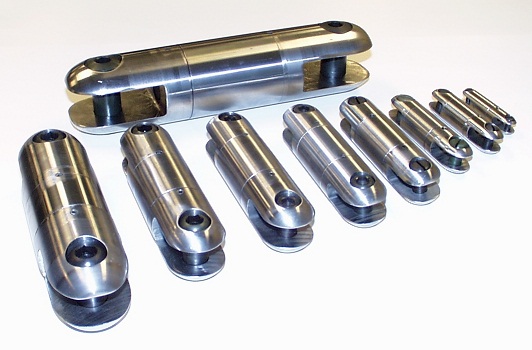
DCD Design provides two Safe Working Load limits for our 00505 Series Line Swivels, depending on whether you’re pulling Underground or Overhead. What’s the difference? RISK.
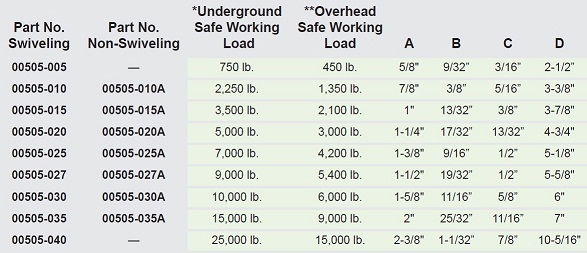
A Safe or Maximum Working Load without a Safety Factor is incomplete – you don’t know where you stand. One company’s Overhead Swivels may only have a 3:1 Safety Factor, when every other component has been rated 5:1. Where’s the weak link?
When you’re stringing overhead lines, a 5:1 Safe Working Load is typically chosen to suit the safety factors applied to pulling rope and grips. I say “typically” because safety factors and the resulting safe working loads are user-dependent.
Occupational safety requirements are a minimum level of protection. Risk management demands a greater level of protection if a failure will have catastrophic consequences.
You don’t want to see a failure in an overhead job because when things fall down, they land on other things! You can reduce the risk of failure by choosing a larger safety factor, but you’re limiting your maximum load. There has to be a compromise!
Underground, a 3:1 Safe Working Load can typically be applied. A failure is still possible, but the risk of damage or injury is reduced. You can “afford” to increase your maximum load. So the same Line Swivel can have two Safe Working Loads, depending on the application.
If you’re comparing line stringing swivels for overhead use, know the Safety Factors built into your equipment and make sure you’re getting the whole story. DCD Line Swivels have a happy ending.
RELATED
Posts
23
Nov
Another Good Idea: Making Dewatering Easier
We took a call from a customer a few days ago. His 00650-150 puller wasn't broken, but neither was it gripping like it used to. As it turns out, Gary Fors and Designed Groundwater Services were applying...
5
Nov
Wire Mesh Grips and Catalog Strength
Wire mesh pulling grips, chinese fingers, pulling socks, stockings, support grips - whatever you call them, pulling grips are one of those tools that everybody uses for utility installations. Overhead, underground, through ducts and over sheaves, grips are...
10
Sep
Breakaway! - Another Duckt Production
The Duckt crew put together a great sales presentation for the DCD Breakaway Connectors, highlighting the quick assembly and range of breaking strengths available. The finished PowerPoint looked so good that we made a video clip as well,...
23
Jul
"I want to fly like an Ea-" Oh, that's copyright?
It's been a busy month: DCD Design have created a new how-to video for the Eagle Cable Lasher, demonstrating some of the features and showing you how to load the lashing wire. (This ties in to next month's...
21
May
Carnivorous Carrots!
Watch out for those innerduct pulling eyes - they've got sharp teeth!
We were making a short video for the various duct pulling tools last week: wire mesh grips, innerduct pulling eyes, the expanding shell pullers and the sealed...
22
Apr
Breaking Breakaway Pins
11
Mar
Wire Grips - Free vs. Fitted Lengths
Inquiries for wire mesh pulling grips come in from all over the place, and it's interesting to see how local tradition will affect terminology.
The length of a grip depends on where you're standing. If you're reading a...
2
Mar
This Blows!
Pardon the pun, but how often do you get to say that in public?!
We’ve got a range of line-blowing products on special this month – mix and match to build a tool kit that works for you! All...
19
Feb
A New How-To for HDD Swivels
It's a fairly regular request we get these days, "I'm wondering if I should service my swivel. What should I look for?"
Servicing the equipment you have is bound to be cheaper than buying new - in most...
16
Feb
The Trouble with Shear Force
Installation can be rough on a new electrical cable! A pulling winch can apply a few thousand pounds of tension. Bends in the duct can apply crushing sidewall pressure. Even the pulling eyes can chew through the...